


How a Hidden Camera Detector Can Keep You Safe Anywhere
- kf287265
- 18. 12. 2025
- Minut čtení: 3
Privacy is a growing concern in many places we visit every day. From hotel rooms to public restrooms, hidden cameras can invade your personal space without your knowledge. A hidden camera detector offers a practical way to protect yourself from unwanted surveillance. This device helps you find concealed cameras quickly, giving you peace of mind wherever you go.
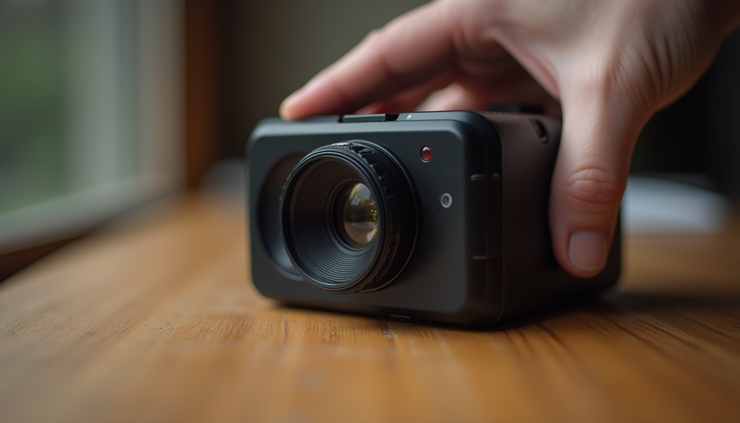
Why Hidden Cameras Are a Real Threat
Hidden cameras are no longer just a plot device in movies. They have become a real issue in many environments:
Hotels and rentals: Some travelers have discovered hidden cameras in Airbnb rentals or hotel rooms, often disguised as smoke detectors or alarm clocks.
Public spaces: Changing rooms, restrooms, and gyms can sometimes harbor secret cameras installed by malicious individuals.
Workplaces: In rare cases, hidden cameras may be used to monitor employees without consent.
These cameras can record video or audio, violating your privacy and potentially putting you at risk of blackmail or identity theft. Since these devices are often tiny and cleverly hidden, spotting them without help is difficult.
How a Hidden Camera Detector Works
A hidden camera detector is a compact tool designed to locate cameras by detecting their electronic signals or reflective lenses. There are two main types:
RF (Radio Frequency) detectors: These devices scan for wireless signals emitted by transmitting cameras. They can detect cameras that send live feeds or store footage remotely.
Lens detectors: These use a bright LED light to reflect off camera lenses, making them visible to the user through a viewfinder or screen.
Some detectors combine both methods for better accuracy. When you scan a room, the device alerts you to suspicious signals or reflections, helping you pinpoint hidden cameras.
Where to Use a Hidden Camera Detector
Knowing where to check for hidden cameras can improve your safety. Use a detector in these common places:
Hotel rooms and vacation rentals: Scan the room before settling in, especially areas like smoke detectors, lamps, mirrors, and air purifiers.
Changing rooms and restrooms: These are high-risk areas for hidden cameras. Check corners, vents, and objects that seem out of place.
Airbnb or short-term rentals: Hosts may not always disclose surveillance devices, so scanning is a good precaution.
Meeting rooms or private offices: If you suspect unauthorized monitoring, a detector can help find hidden devices.
Regular use of a hidden camera detector can help you feel secure in unfamiliar environments.

Tips for Using a Hidden Camera Detector Effectively
To get the most from your hidden camera detector, follow these practical tips:
Turn off lights and close curtains: This reduces reflections and helps the lens detector work better.
Scan slowly and methodically: Move the detector around the room, paying close attention to suspicious objects or unusual placements.
Check common hiding spots: Look at smoke detectors, clocks, air vents, mirrors, and electrical outlets.
Use multiple detection modes: If your device supports both RF and lens detection, use both to increase your chances of finding hidden cameras.
Be aware of false positives: Some electronic devices may trigger alerts. Investigate carefully before jumping to conclusions.
By practicing these steps, you can improve your chances of detecting hidden cameras and protecting your privacy.
Benefits of Carrying a Hidden Camera Detector
Having a hidden camera detector with you offers several advantages:
Peace of mind: Knowing you can check for hidden cameras helps you relax in unfamiliar places.
Privacy protection: Detecting cameras early prevents unauthorized recording of your personal moments.
Safety in sensitive situations: Whether traveling, attending meetings, or using public facilities, you can ensure your privacy is respected.
Easy to use: Most detectors are compact, lightweight, and simple to operate, making them convenient for travel.
Investing in a hidden camera detector is a proactive step toward safeguarding your privacy.

Komentáře